One Swallow does not a summer make…

But lots of them is really quite impressive. Especially when you can get up close.

Just went out to feed some scraps to the chickens with my daughter and saw a number of swallows tearing around the trees in the orchard and a stand of sycamore nearby. They were almost impossible to count, but I’d estimate there were at least two dozen, perhaps three. Swooping in and out of the trees catching greenfly that were feeding on the leaves.

So we quietly walked up under the sycamore and lay on the grass watching them swoop within no more than a foot or so of us. Against the sky or the solid dark background of the leaves it was possible to pick out a single insect and watch it until a swallow came close enough to see it and pick it off. As the number of insects died down we prodded the sycamore leaves with a stick and another shower of greenfly would drop from the trees for the birds to feed on.

Stunning to watch, especially with the birds flying so close to our heads.

Posted in Environment | Tagged | Leave a comment

Enough of the demonising of private schools

I see today that yet another person (the Chief Inspector of Schools, this time) is taking a cheap pop at private schools in a poorly-veiled effort to grab a few headlines. One more strike against the privileged on behalf of the rest of us, brother.

Bullshit.

My children attend a private school. My wife and I chose, somewhat reluctantly, to send them there because the local school had so few pupils that it was on the verge of becoming unsustainable. The last year my son was there he was about to become the only boy in his year group. We looked at the other local school he might have been able to attend and frankly weren’t very impressed at all.

It’s my deeply-held belief that a good education is one of the most valuable things you can provide for your child and I’m happy that’s what they’re getting at the school they now attend.

In order to pay for this we’ve not “dipped into the family trust fund” or rented out some more property or other. Between us we earn fairly close to the average family income for the UK. Average, note. To be able to afford it we’ve made as many sacrifices as are necessary. We have one car between us. A ten year old estate car that’s done about 130,000 miles, but we keep it going because we can’t really afford a replacement. We have holidays, some years, but more often than not it’s the odd week camping in Cornwall and many times I won’t go because I need to work. This year is a bit unusual as we’re driving over to France! We don’t have Sky or any other pay television (and our television is probably fifteen years old). We don’t go out very much. We don’t spend much on clothes (and most of that is on clothes for the children). It’s not always easy and sometimes I’d love to get a builder in to do the odd job or two, or go away without having to worry about how we’ll pay for it, but I can live with my choice and I’m not complaining about it. What I do object to is being smeared with the image of some loaded hooray by people who are far better off than me and who don’t have the vision to see past the end of their nose or the intellect to imagine that the world might not actually be the way their prejudices suggest.

So, next time some minister or other government representative wants to have a pop at private schools, perhaps they should come down here first and explain how we’re so privileged to have given up (or to never have had) so many of the things they take for granted in their cushy little lives.

And if they really, genuinely object to people having the “privilege” of being able to pay to get a higher standard of education than is available from the state then instead of whining about it to get a few cheap headlines, how about making it unnecessary for the likes of my family to even consider private education. Raise the standard of state schools to match. Allow the teachers to do the job they’d really like to do and pay them what their job is really worth. Treat them as if our future was in their care instead of crowd control for children. Now that would be a real privilege.

Posted in Random | Leave a comment

Ghosting problem on Moon images solved

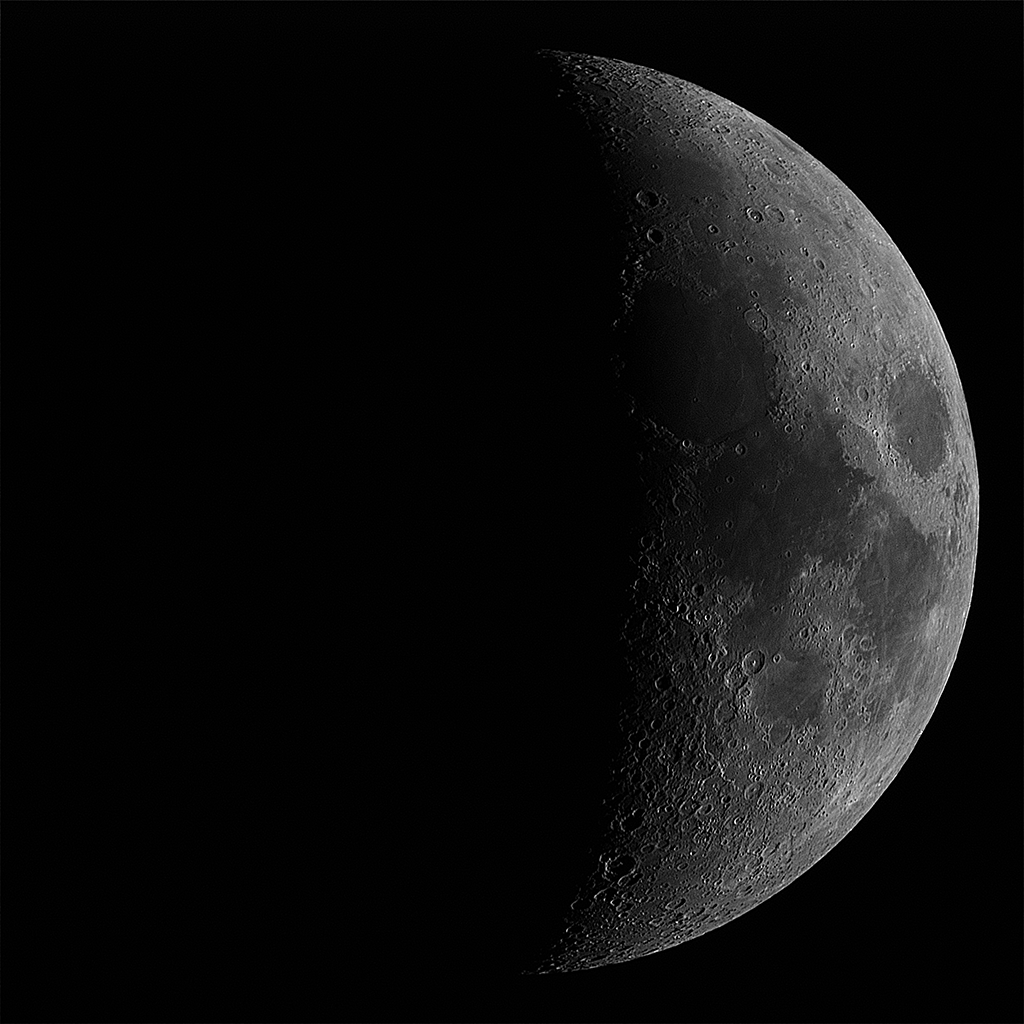
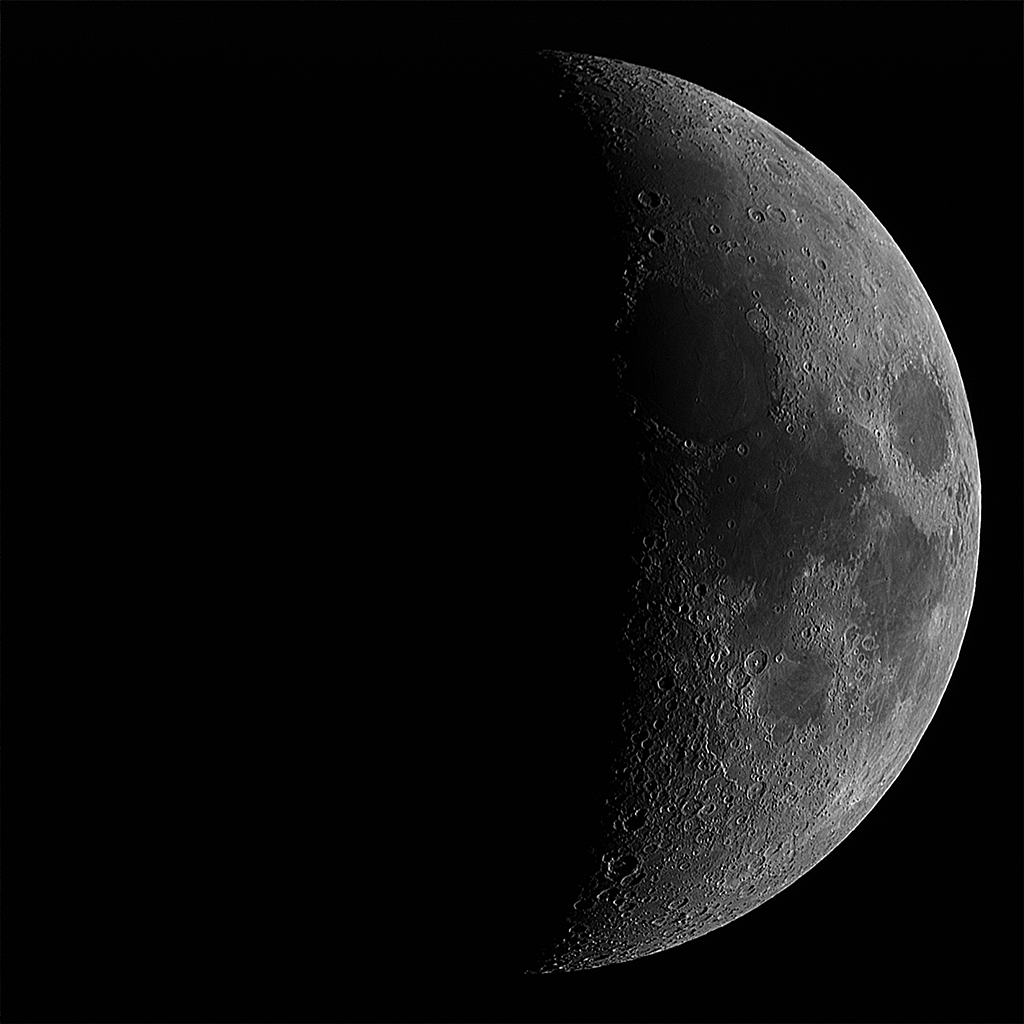
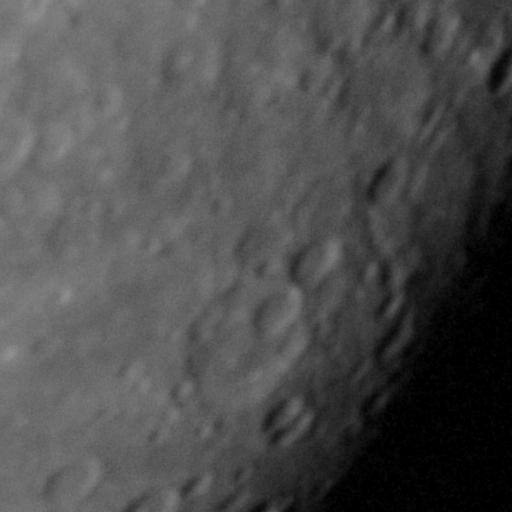
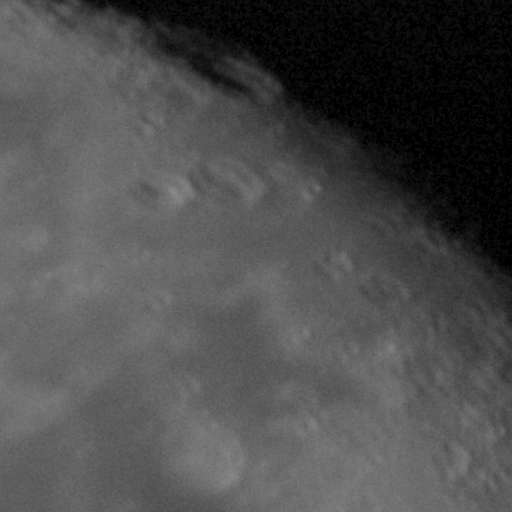
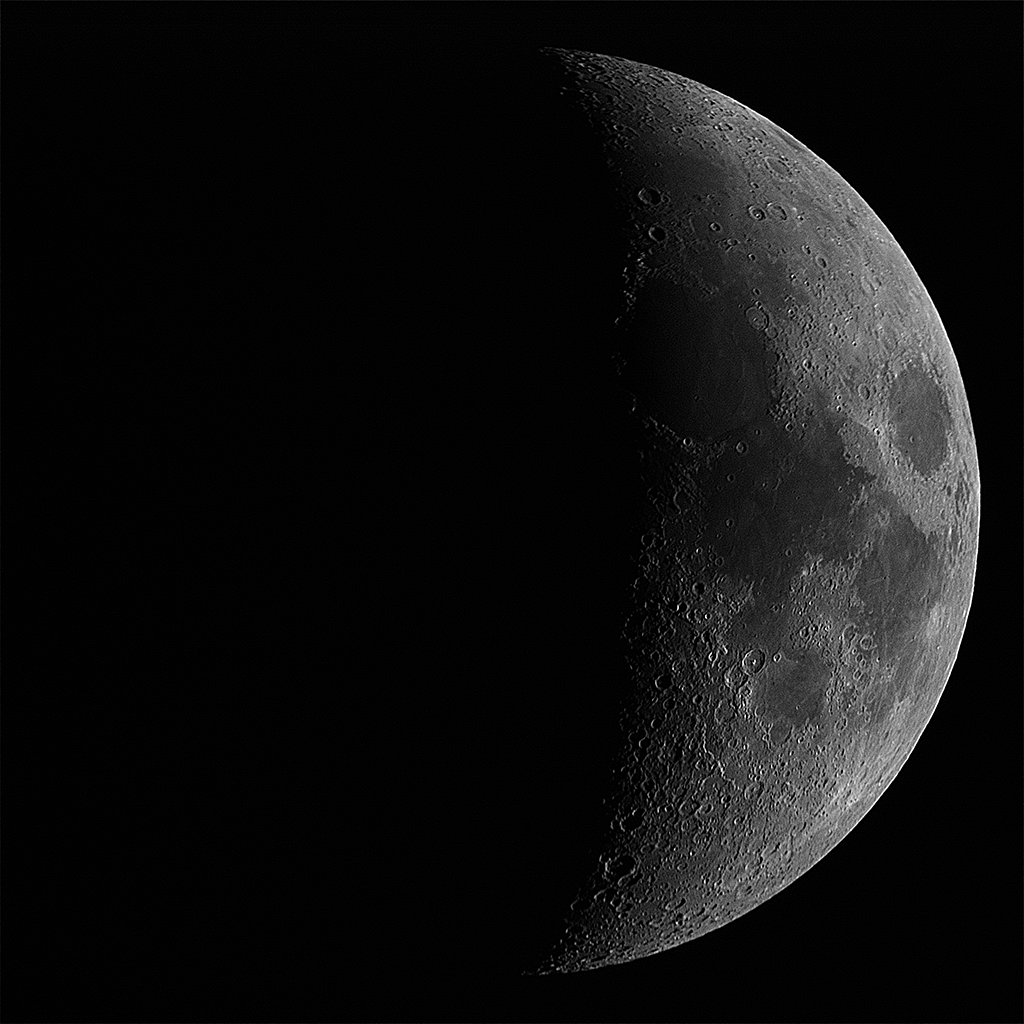
I hope I have now resolved my problem with ghosting appearing on lunar images with my 450D. I finally had a night with a clear period long enough to take subs of the Moon at multiple exposure times. First I tried 1/1000th @ ISO800 which is what I have used up to now, then 1/500th @ ISO400 and finally 1/200th @ ISO200.

Whereas I was hitting problems with ghosting on the 1/500th and slower frames before this time I configured APT to use a two second delay after locking up the mirror before opening the shutter. This completely eliminated the problem and I managed three clean images at all three exposure lengths.

1/1000th:

moon-2013-05-16-01-small

1/500th:

moon-2013-05-16-02-small

1/200th:

moon-2013-05-16-03-small

To confirm I also shot a few frames of 1/200th without the mirror lockup delay and approximately half the frames showed a ghosted image.

I’m happy with this now and have started shooting all the subs for lunar images using exposures of 1/200th @ ISO200. I think the results have definitely improved compared with those I took previously using the 1/1000th shutter speed.

Posted in Astroimaging, Astronomy | Tagged , | Leave a comment

My first piece of astronomy-related lathework

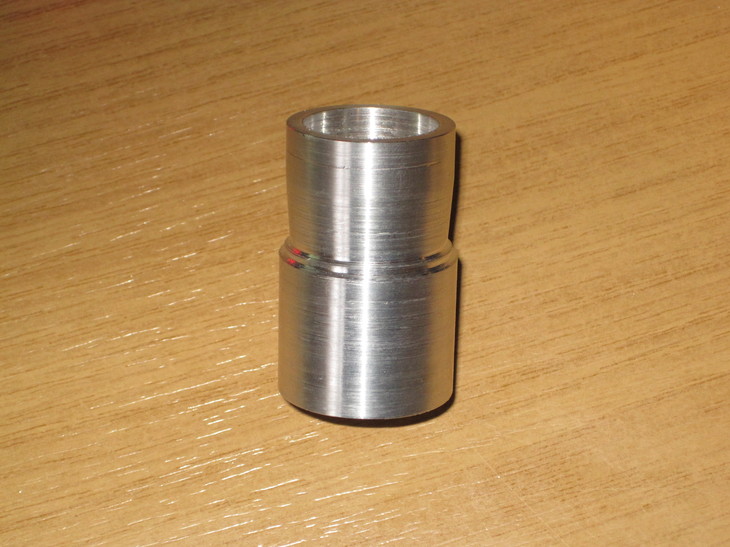
I’ve been wanting to tinker with Mire de Collimation to collimate my dob, but I didn’t have any handy way to fit a webcam into the eyepiece holder without removing the lens. So I found a lump of waste (and not great quality at that) aluminium and turned myself an adaptor. It’s nothing special and not actually even the most complicated thing I’ve made so far, but it’s the first piece of work I’ve done for astronomy on the lathe since I got it all set up and started teaching myself to use it a couple of months ago, so I’m feeling a little pleased with myself.

camera-fitting2

The barrel of the piece even has a taper inspired by those found on Explore Scientific eyepieces so it won’t get caught on eyepiece compression rings. The shoulder at the end of the taper is the same diameter as the end of the barrel (1.25″) so it shouldn’t be pushed off-centre when tightened up in the eyepiece holder.

Posted in Astro Equipment, Astronomy | Tagged | Leave a comment

Impressive new solar active regions

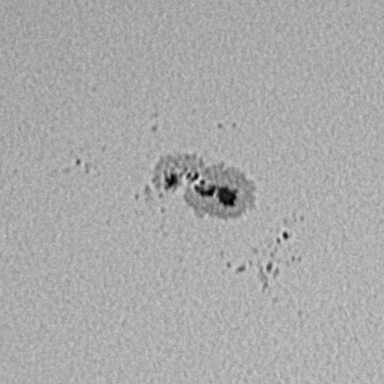
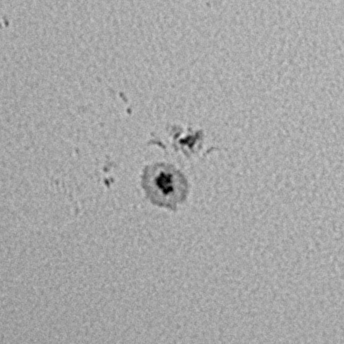
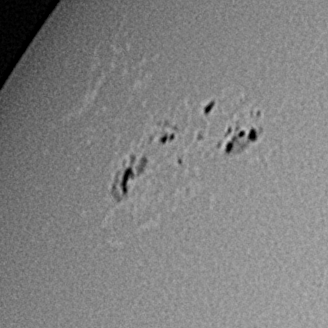
Whilst still relatively quiet, the Sun showed some impressive new active regions last week, apparently associated with quite large flares. Here are my white light images of the newer regions.

First, AR1745:

ar1745

AR1746:

ar1746

And AR1748, just after passing around the limb:

ar1748

Posted in Astroimaging, Astronomy | Tagged | Leave a comment

Adobe ripping off UK users?

I read on the BBC News website yesterday that Adobe was moving to subscription-based charges for its software and “Creative Cloud” (whatever that means). If you’re in the UK though, it seems like you get stitched up on the pricing compared with the US.

From their website for the US “complete” individual subscription the price is $49.99 per month — about £32.50 at today’s exchange rate. For a UK user the price is £46.88 per month.

On an annual basis that’s about £390 for the US, or £562.56 for the UK, a difference of £172.56. Obviously it costs far more to get those electrons over the Atlantic to UK users than within the USA.

Oh, I forgot. There’s that massive 20GB of storage, too. I can generate more data than that in a single night. What a gimmick.

I can’t work out whether Adobe just think their UK customer base is stupid, or if they just fancy trying to rip us off. Well, Adobe, you’ll be getting no more of my cash. I’d rather donate some money to the GIMP project and use that than help fill the coffers of a company that shows such disrespect for its own customers. Time to get your head out of the Creative Cloud.

Posted in Computing | 1 Comment

Ghosting problem on Moon images

I was experimenting with shutter speeds and ISO settings whilst imaging the Moon with my DSLR the other night and when I got down to a shutter speed of 1/250th of a second starting seeing a problem where the top of the frame had a “ghost” image whereas the bottom of the frame was fine. Here’s a crop of the bottom part of one frame:

framebottom

And here’s the top of the same frame:

frametop

I have frames taken at 1/500th and 1/1000th that don’t show this problem at all.

It’s been suggested to me that it might be caused by the vibration of the mirror moving, so I shall configure APT to pause after moving the mirror and see what happens.

Posted in Astro Equipment, Astronomy | Tagged , | Leave a comment

Saturn over five nights

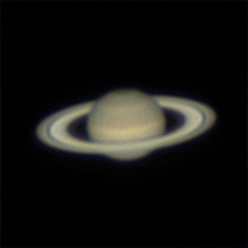
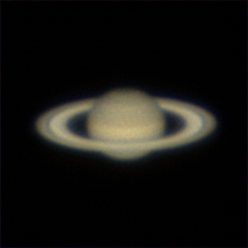
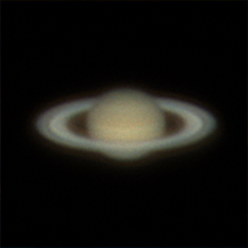
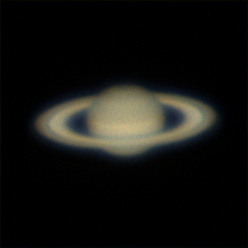
Now the weather looks like it’s about to turn I can collect together the images of Saturn from the last five nights. Sadly it’s a demonstration of ever degrading seeing. Perhaps we need a bit of wind and rain to clear the air and I shouldn’t be disappointed that we’ve lost the clear skies for a while.

Anyhow, here they are, from the 29th April to the 3rd May…

saturn-2013-04-29-12

saturn-2013-04-30-05

saturn-2013-05-01-01

saturn-2013-05-02-03

saturn-2013-05-03-09

Posted in Astroimaging, Astronomy | Tagged | Leave a comment

Beginner’s guide to stacking planetary images with AutoStakkert!2

Last week someone asked about a guide to stacking planetary images using AutoStakkert!2 (hereinafter known as AS!2) and I said I’d write something up. A few days later than I imagined, I’ve got around to it. This isn’t meant to be an exhaustive explanation of how to go about stacking planetary images. It’s more of a place to start from. I’ve ignored many of the options that you can get by without at first and glossed over a few things that you can pick up once you get into the swing of processing.

The sample I’m using is one of my own, taken using a 127 Mak on an EQ3-2 with the dual-motor add-on. I used a 2x barlow with my ASI120MC camera to capture about 3000 frames over five minutes which is well within the limits imposed by Saturn’s rotation. As long as you have an AVI file saved using a sensible (ie. non-lossy) codec however, you should be fine and the processing will be pretty much the same. It is possible to use sequences of single images, too. I’ve just never tried that for planetary imaging.

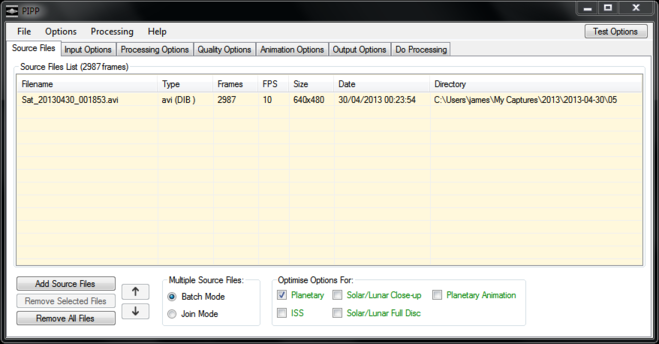
The first thing I do is preprocess the AVI using PIPP. This isn’t strictly necessary, but because the tracking on my mount isn’t that great I can’t capture data from just a small area of the camera sensor and there’s usually a fair bit of empty space around the image. PIPP allows me to crop this off and recentres the image to make the stacking faster and easier. I just load the AVI and check the “Planetary” option to set appropriate defaults:
pipp01

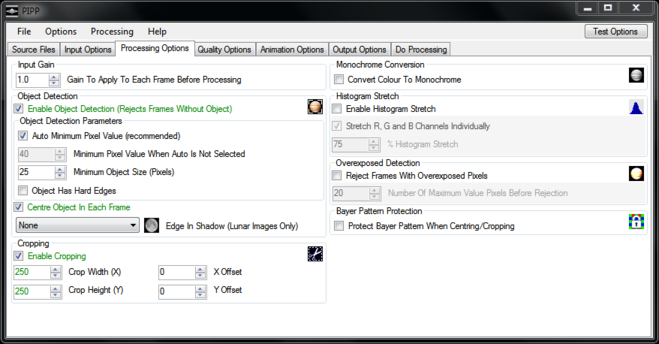
Then I set the output frame size. As you can see above I had a 640×480 frame in the AVI. In the Processing Options tab I set the output size to be 250×250:
pipp02

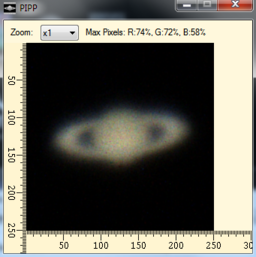
Unless you know why you want to change them, I’d leave all the other options along for now. Hit “Test Options” to get a window to show what the output should look like:
pipp03

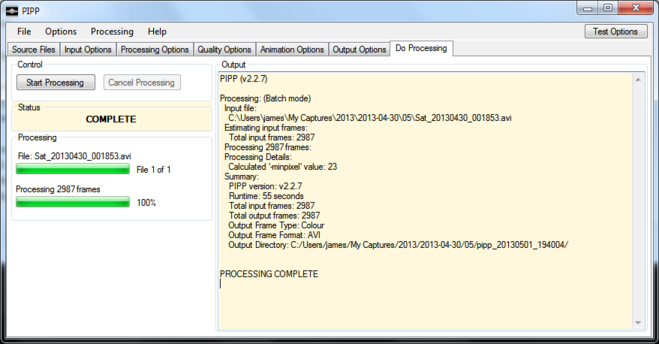
There’s clearly going to be enough room around the image, so I’m happy with that. If you’ve chosen too small a size you can go back and change it. This also gives an idea of the quality of my input data. Once everything looks right, go to the “Do Processing” tab and click “Start Processing”. This may take a while…
pipp04

Once that’s done you’re finished with PIPP. It saves its output in a new folder beneath the one you loaded the AVI from. The location is given in the output in the window on the right.

Now start AS!2.
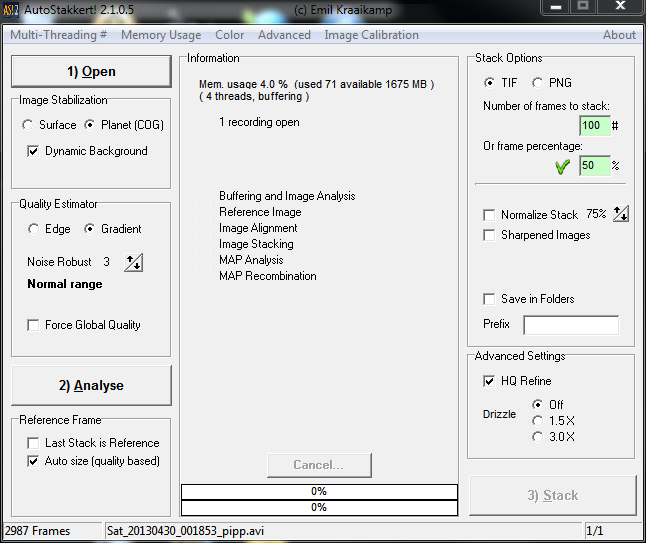
as1-1

Click “1) Open” and open the AVI file written by PIPP. It will display the first frame in a new window:
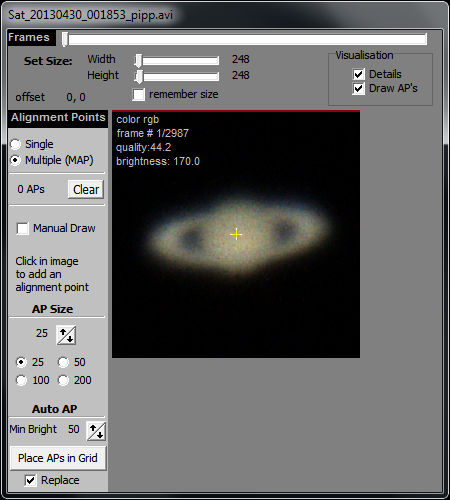
as1-2

Click “2) Analyze” and AS!2 will scan the images to decide how good they are, producing a graph in the first window:
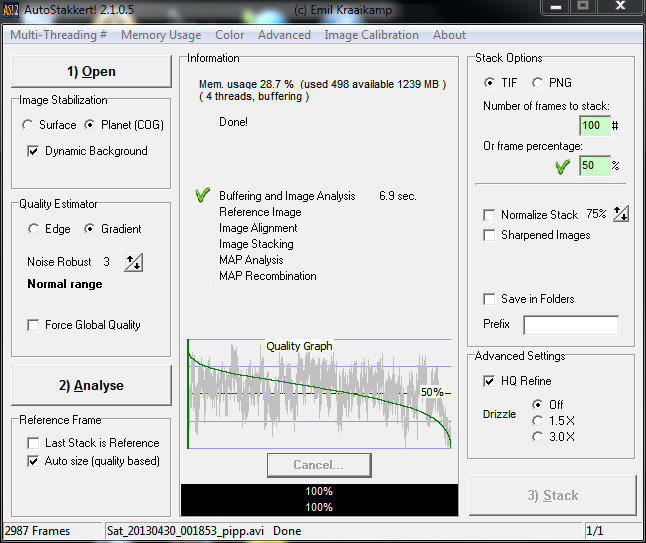
as2

The grey lines are the quality of each frame in order. The green one is the quality level with the frames re-ordered by quality. At this point you can decide how many frames to stack in the “Stack Options” box at the top right. With this sort of graph I’d probably leave it somewhere near 50%. If you have lots of poor frames or lots of very good frames you might adjust that to try to use as many good frames as possible whilst avoiding the bad ones. Leave the other options for the time being.

Now go back to the other window with the capture frame displayed. You need to set the number and size of the boxes used for stacking. There’s a lot said about box sizes and placement, but to get started and for an image of this sort of size I’d choose a box size of 25 and let it place the boxes automatically by clicking “Place APs in Grid”. It may be possible to do a better job than this, but you can always come back for a reprocess on those rare cloudy nights.
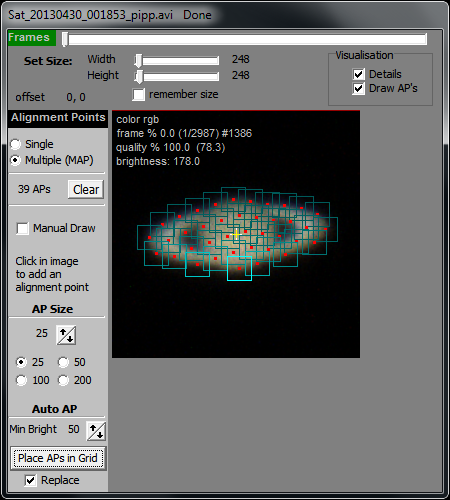
as3

Then go back to the first window and click “3) Stack”. AS!2 will spend a while processing and eventually tell you it has done 100%:
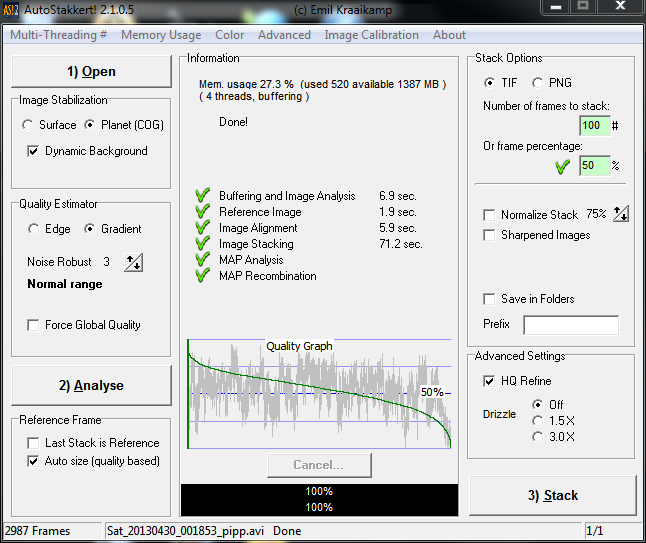
as4

In the folder where PIPP placed the AVI file there should now be a new TIFF file with a name starting “AS…”. That’s your stacked image, and you’re done with AS!2.

The final stage I do with Registax v6. I click “select” and load the TIFF file. You’ll see Registax drops you straight into the wavelets section
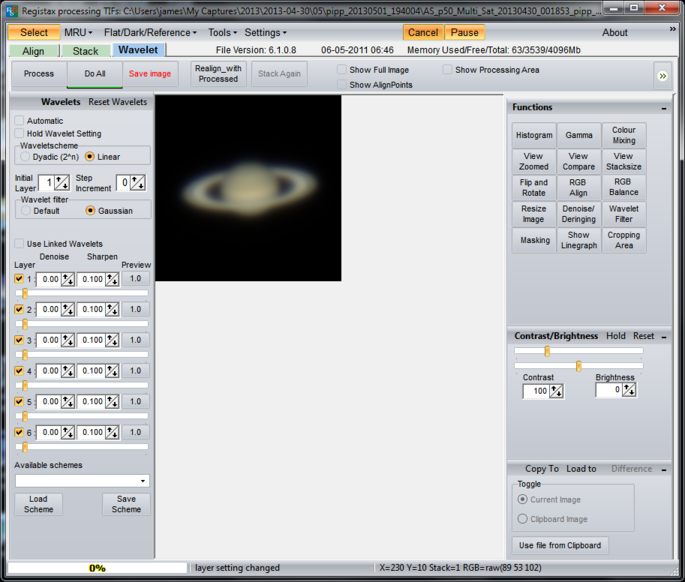
reg1

The first thing I do is sort the wavelets out. This is a reasonable image for me, so I got really quite aggressive with the wavelets:
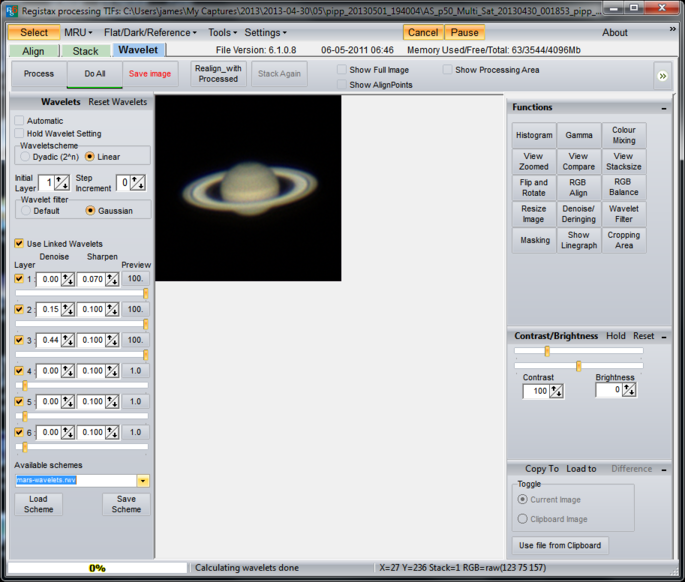
reg2

If you look at the image now you’ll see that there’s a slight red/yellow tinge to the front of the rings, and they’re slightly blue at the back. It’s hard to see, but it is there. Many planetary images will be like this if they’ve been captured in colour. In fact it’s quite rare in my experience for it not to be present. It’s due to the atmosphere diffracting the different colours of light by different amounts, shifting blue and red away from each other. Fortunately Registax has a tool to help with this. Click on “RGB Align” in the Functions section. A dialogue box will appear with a green box over the image. Stretch the green box until it surrounds the image with some to spare and then hit the “Estimate” button.
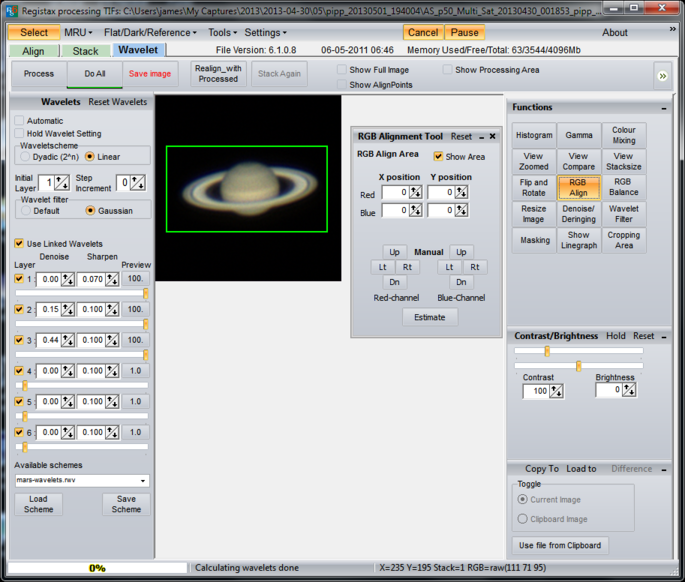
reg3

Registax may not get this perfectly right and it may be necessary to tweak the colour shifts manually. See what you think when it’s done. You’ll also find that some of the sharpness may have disappeared from your image. Don’t worry about that for the moment.
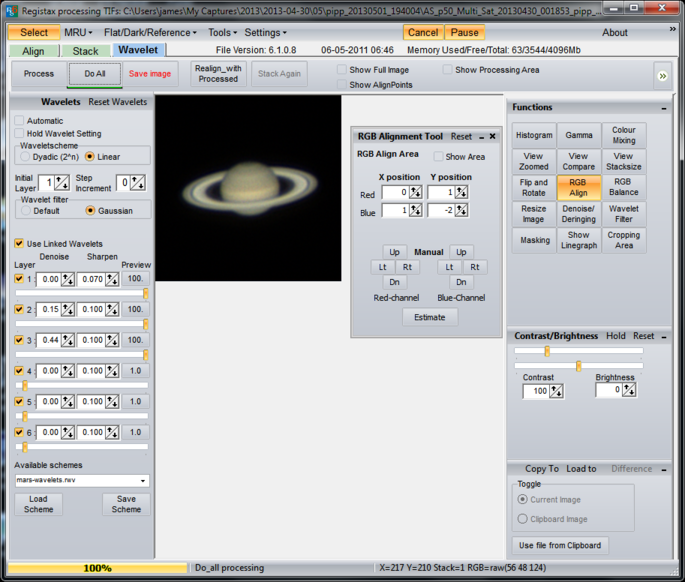
reg4

Registax has lots of other things you might play with in the Functions section, but for this image I’m mostly happy as it is. It may be worth looking at the Histogram graph and stretching the histogram if the dynamic range of the image is fairly compressed. Hit “Do All” which should apply all the transforms to your image and return the sharpness from the wavelets and then save the finished image:
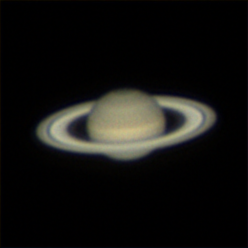
saturn-2013-04-30-05

If you have GIMP, Photoshop or some other image manipulation package you can now do your final tweaks.
Posted in Astroimaging, Astronomy | Tagged | Leave a comment

Messier List Completed

After two and a half years and having finally managed to locate M83 I’m pleased to say I’ve finally found every Messier object. I started with an ST80 and have gradually moved up through an ST102 and ST120 to my current 10″ dob, though I’ve seen every one with the 120 or smaller at some point. M83 is a challenge even from my relatively southerly location in the UK as it barely makes nine degrees above the horizon at best so finding it wasn’t exactly the most stunning event, but it will go on my list of “things to look for when on holiday further south”.

I intend to revisit all the Messier objects with the 10″ dob now, but it’s time to find some other targets too, I think.

Posted in Astronomy | Tagged , | Leave a comment